
Caring for a pet involves far more than providing food, water, and occasional attention. Modern pet ownership requires a thoughtful combination of preventive healthcare, behavioral development, hygiene maintenance, and access to professional services that support both everyday well-being and unexpected needs. When these elements work together, pets tend to live longer, healthier, and more emotionally balanced lives.
Many owners only think about certain services when a problem arises, such as illness, behavioral issues, or travel plans. However, the most effective approach is proactive—understanding what services are available ahead of time and integrating them into a regular care routine. This not only reduces stress during emergencies but also improves long-term outcomes for pets and their owners.
A well-rounded care plan typically includes medical support, grooming routines, structured socialization, safe temporary housing options, and early behavioral training. Each of these categories plays a different role, but together they create a stable foundation for responsible pet ownership. The following sections break down the most essential services every owner should understand, along with practical guidance for choosing and using them effectively.
1. Knowing Where to Go in a Medical Emergency
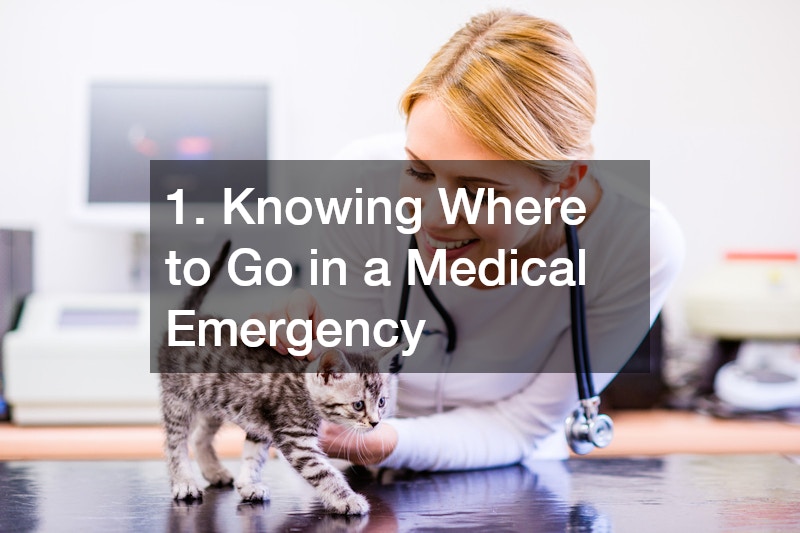
When a pet experiences a sudden health crisis, fast access to professional care can make a life-saving difference. Understanding where to go—and what type of facility is appropriate—helps owners respond quickly and confidently in high-stress situations.
Facilities specializing in urgent care are designed to handle critical conditions such as trauma, poisoning, difficulty breathing, seizures, and severe infections. These locations are typically equipped with advanced diagnostic tools, surgical capabilities, and staff trained to act quickly under pressure.
A key distinction exists between different types of medical facilities. Some are dedicated exclusively to urgent, after-hours situations, while others function as full-service centers that provide both routine and emergency care.
Important considerations when choosing a provider include:
- Availability of 24/7 care and weekend hours
- On-site diagnostic equipment (X-rays, ultrasound, blood testing)
- Staff experience in handling trauma and critical conditions
- Clear communication about treatment options and costs
- Proximity to your home for rapid response times
In urgent situations, knowing where emergency vet clinics are located ahead of time can reduce panic and improve response speed. It is also helpful to understand that a veterinary hospital often provides a broader range of services, including ongoing treatment for chronic conditions and post-emergency recovery care.
Pet owners should prepare in advance by:
- Keeping a list of emergency contacts in their phone and on the refrigerator
- Maintaining updated vaccination and medical history records
- Preparing a small emergency pet kit with essentials like a leash, blanket, and medication list
- Knowing the fastest route to the nearest facility
Preparation ensures that when a crisis occurs, attention can remain focused on the pet rather than searching for help.
2. Building a Relationship with a Full-Service Care Facility
Long-term health management becomes significantly easier when pets are regularly seen by a consistent care provider. An animal care center often serves as a central hub where preventative care, diagnostics, and ongoing treatment are coordinated under one roof.
These facilities are especially valuable because they allow professionals to build a detailed medical history for each pet. Over time, this leads to more accurate diagnoses, earlier detection of health issues, and personalized care recommendations.
Benefits of maintaining a consistent care relationship include:
- Continuity of medical records and treatment history
- Easier monitoring of chronic conditions such as allergies or arthritis
- Stronger familiarity between staff and pet behavior patterns
- Streamlined scheduling for routine checkups and vaccinations
To get the most from a long-term provider, owners should prioritize:
- Scheduling annual wellness exams even when the pet appears healthy
- Discussing diet, weight, and lifestyle adjustments regularly
- Asking about preventative screenings based on age and breed
- Keeping open communication about behavioral changes
Choosing the right facility also involves evaluating staff professionalism, cleanliness, and willingness to explain treatment options clearly. A strong relationship with a care provider creates a reliable foundation for every other aspect of pet health management.
3. Safe and Stimulating Daytime Care Options
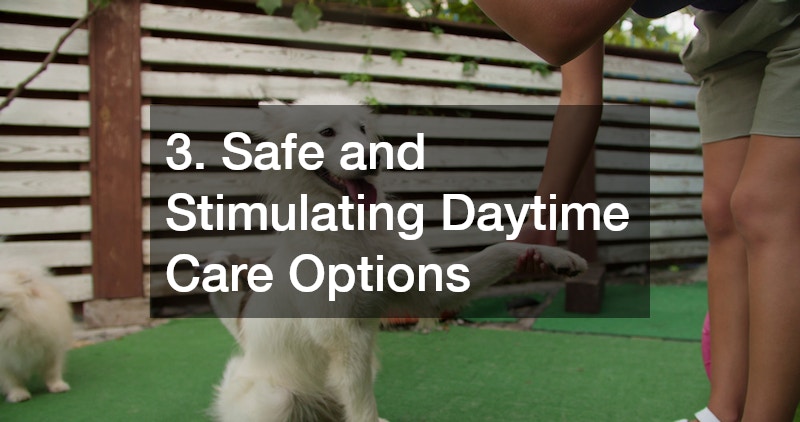
Pets, especially dogs, often require more stimulation and interaction than a typical workday allows. Structured daytime care environments help meet these needs while preventing boredom, anxiety, and destructive behavior at home.
Facilities that provide supervised group play and enrichment activities allow pets to stay active and socially engaged throughout the day. These environments are particularly beneficial for high-energy breeds or pets that struggle with separation anxiety.
When evaluating options, owners should consider:
- Staff-to-dog ratios for adequate supervision
- Separation of playgroups by size, temperament, and energy level
- Cleanliness and safety of indoor and outdoor spaces
- Availability of rest periods to prevent overstimulation
Structured environments such as dog daycares offer controlled socialization opportunities that improve behavior and reduce isolation stress. Pets learn how to interact appropriately with others, which often leads to improved behavior at home and in public spaces.
In addition to daytime care, some facilities also provide overnight stays when owners are traveling. These dog boarding services ensure continuity of care in a familiar environment, reducing disruption to routines.
To prepare a pet for these services:
- Introduce short visits before full-day stays
- Provide familiar items like blankets or toys
- Ensure vaccinations are up to date
- Communicate feeding and medication instructions clearly
Gradual exposure helps pets adjust more comfortably and reduces anxiety during longer stays.
4. Choosing Overnight Boarding You Can Trust
When travel or emergencies require extended time away, finding a safe and reliable boarding environment becomes essential. A well-managed facility ensures that pets remain comfortable, fed, and supervised throughout their stay.
Unlike casual pet-sitting arrangements, professional boarding facilities maintain structured routines and staff oversight around the clock. This consistency helps reduce stress and supports stable behavior while owners are away.
When evaluating local boarding kennels, owners should look for:
- Clean, odor-free sleeping and play areas
- Secure enclosures and escape prevention measures
- Transparent feeding and medication schedules
- Staff availability during overnight hours
- Emergency protocols for illness or injury
It is also important to observe how pets interact within the facility. Calm, well-managed environments indicate strong supervision and proper behavior management.
Before booking a stay, owners should:
- Visit the facility in advance whenever possible
- Ask about daily exercise routines and enrichment activities
- Confirm vaccination and health requirements
- Provide clear instructions regarding diet and routines
A trustworthy boarding environment ensures peace of mind for owners and a safe, structured experience for pets.
5. Maintaining Coat Health and Hygiene for Cats

Cats are often seen as self-sufficient groomers, but they still require regular maintenance to stay healthy and comfortable. Without proper grooming, issues such as matting, skin irritation, and overgrown nails can develop over time.
Regular grooming helps maintain hygiene and also provides an opportunity to detect early signs of health issues such as lumps, parasites, or skin infections.
Owners should be aware of common grooming needs, including:
- Brushing to reduce shedding and prevent hairballs
- Nail trimming to prevent overgrowth and discomfort
- Ear cleaning to reduce wax buildup and infection risk
- Coat inspection for mats or debris
Professional cat grooming service providers are especially helpful for cats that resist at-home grooming. These specialists are trained to handle stress-sensitive animals with minimal discomfort.
For some households, a recurring cat grooming routine may also be necessary, particularly for long-haired breeds that are prone to matting and tangling. In these cases, cat grooming becomes not just cosmetic but essential for comfort and hygiene.
To reduce stress during grooming:
- Start grooming sessions early in a cat’s life
- Keep sessions short and consistent
- Reward calm behavior with treats or affection
- Avoid forcing procedures when the cat is highly stressed
Proper cat grooming service supports both physical health and emotional well-being.
6. Professional Grooming for Dogs of All Breeds
Dog grooming plays a major role in maintaining overall health, comfort, and hygiene. Beyond appearance, grooming helps prevent skin issues, reduces shedding, and supports early detection of abnormalities.
A skilled local dog groomer provides services tailored to breed-specific needs, ensuring that each dog receives appropriate care based on coat type and lifestyle.
Typical grooming services include:
- Bathing and coat conditioning
- Hair trimming and styling
- Nail clipping and paw care
- Ear cleaning and hygiene checks
Regular grooming also reduces allergens in the home and keeps dogs more comfortable, especially during seasonal shedding periods.
Owners should look for groomers who:
- Have experience with different breeds and temperaments
- Use gentle handling techniques
- Maintain clean, sanitized equipment
- Communicate clearly about grooming outcomes and recommendations
Scheduling consistent appointments helps prevent coat-related issues and ensures pets remain comfortable year-round.
7. Early Training Foundations for Lifelong Behavior

Early behavioral training is one of the most important investments in a pet’s long-term well-being. Proper guidance during the early months of life helps shape communication, obedience, and social behavior in ways that carry into adulthood. Puppies are especially receptive during this developmental window, which means habits formed early tend to become long-term patterns. Without structured guidance, undesirable behaviors such as excessive barking, jumping, chewing, or anxiety-driven reactions can become harder to correct later on.
Structured puppy training focuses on building foundational skills that support safety, control, and everyday interaction. These skills are not just about obedience—they directly influence how confidently a dog can navigate the world and respond to their owner in different environments.
Basic commands (sit, stay, come, leave it)
- Sitting helps establish impulse control in exciting or distracting situations.
- Stay builds patience and prevents unsafe movement in public or near hazards.
- Come is essential for recall, especially in off-leash or emergency situations.
- Leaving it prevents ingestion of harmful objects or unwanted interactions.
Leash walking and recall
- Proper leash walking reduces pulling, lunging, and stress during outdoor activity.
- Consistent recall training ensures the dog responds reliably even with distractions present.
- Gradual exposure to busier environments helps reinforce calm walking behavior.
- Rewarding calm walking positions teaches the dog to stay near the handler naturally.
Housebreaking and crate training
- Establishing a predictable schedule helps reduce accidents and builds routine awareness.
- Crate training provides a safe, structured space that supports rest and reduces anxiety.
- Positive crate association prevents resistance and encourages voluntary use.
- Monitoring feeding and bathroom timing improves consistency and faster learning.
Socialization with people and other animals
- Early exposure reduces fear-based behaviors and aggression later in life
- Controlled introductions help puppies learn appropriate play behavior
- Positive experiences with different environments build confidence and adaptability
- Gradual exposure to sounds, surfaces, and crowds prevents overstimulation issues
Consistency is the key to success. Puppies learn best through repetition, reward-based reinforcement, and clear boundaries. Inconsistent responses from owners can create confusion, leading to slower progress or mixed behavior signals. The most effective training environments are structured, predictable, and calm, allowing the puppy to understand exactly what is expected.
Effective training strategies include:
Using short, frequent training sessions
- Sessions of 5–10 minutes prevent fatigue and maintain attention
- Multiple sessions per day reinforce learning without overwhelming the puppy
- Ending on a successful behavior builds confidence and motivation
Rewarding desired behavior immediately
- Timing is critical; rewards must occur within seconds of correct behavior
- Treats, praise, or play reinforce positive associations
- Immediate reinforcement strengthens the connection between action and outcome
Avoiding punishment-based methods
- Punishment can create fear, anxiety, and confusion
- Positive reinforcement encourages willingness to learn and engage
- Redirecting unwanted behavior is more effective than correcting after the fact
Gradually introducing distractions to build focus
- Start training in quiet environments before adding complexity
- Slowly increase distractions like sounds, other animals, or movement
- Strengthening focus under mild stress prepares the puppy for real-world situations
Early training not only improves behavior but also strengthens the bond between owner and pet, creating a more cooperative and confident animal. Over time, this shared communication system reduces frustration for both sides and makes everyday interactions smoother, whether at home, in public, or during new experiences.
Creating a Balanced Pet Care Strategy
Responsible pet ownership requires more than reacting to problems as they arise. It involves building a structured system of care that supports health, behavior, hygiene, and safety at every stage of life.
When owners understand the range of professional services available and incorporate them into a consistent routine, pets benefit from improved well-being and reduced stress. From preventive medical care and structured social environments to grooming and behavioral training, each component contributes to a more stable and fulfilling life.
By planning ahead and choosing reliable providers, pet owners can ensure they are prepared for both everyday needs and unexpected situations. This proactive approach ultimately leads to healthier, happier pets and greater peace of mind for the people who care for them.
