
Maintaining a home requires constant vigilance, as small maintenance oversights can rapidly spiral into severe structural damage, health hazards, or expensive emergency repairs. While some household tasks can be delayed until a convenient convenient weekend, certain home issues demand prompt intervention to safeguard your property and family. Recognizing these critical problems early allows homeowners to protect their financial investment, maintain a safe living environment, and ensure that essential household systems function efficiently year-round. Delaying necessary repairs often leads to cascading failures across multiple interconnected systems in the structure. By prioritizing immediate fixes over temporary cosmetic updates, you guarantee the long-term stability and security of your residence.
Major Plumbing Emergencies and Solutions

Preventing Structural Damage and Nasty Backups
Plumbing infrastructure operates continuously behind walls and beneath floors, making early diagnosis of potential failures vital. Severe clogs or sluggish fixtures throughout the home often signal a deeper blockage within the main line rather than a simple localized obstruction. Addressing these early indicators prevents contaminated wastewater from backing up into sinks, tubs, and living spaces. Professional interventions like drain cleaning can effectively clear accumulated grease, hair, and debris before pressure builds up enough to rupture pipes or disrupt everyday household routines.
Repairing Severely Damaged Main Lines
When tree root intrusion, aging materials, or ground movement cause underground pipes to crack, collapse, or leak, standard line clearing methods are no longer sufficient. Signs of main line failure include soggy patches on the lawn, unexplained foul odors outdoors, or multiple fixtures backing up simultaneously. Engaging specialized sewer repair services ensures that underground piping systems are structurally restored using modern trenchless techniques or direct excavation, preventing widespread soil contamination and severe foundation erosion.
Choosing Qualified Professionals for Plumbing Projects
Complex plumbing installations, pipe re-routing, and major emergency interventions require specialized expertise and proper licensing to meet local building codes. Attempting high-risk DIY fixes on pressurized lines can result in sudden flooding and extensive water damage. Relying on certified local plumbing contractors guarantees that code-compliant materials and tested techniques are used, providing homeowners with long-term reliability and protecting property values during structural renovations or repairs.
Restoring Heavy-Duty Line Flow with High-Pressure Solutions
Over years of continuous use, stubborn deposits like hardened grease, scale, and heavy sediment can cling to the interior walls of drainage systems, drastically narrowing the pipe diameter. Standard cable snakes often only punch small holes through these heavy blockages rather than clearing them completely. Utilizing local hydro jetting services provides a powerful solution, employing high-pressure water streams to thoroughly scour the inner surfaces of pipes, blasting away tree roots and stubborn debris to restore full flow capacity.
Heating, Ventilation, and Air Conditioning Threats
Ensuring Efficient Cooling During Extreme Heat
Air conditioning systems operate under heavy stress during warmer seasons, making them prone to unexpected mechanical failures. Common symptoms of trouble include weak airflow, strange squealing noises, warmer air discharging from vents, or short-cycling. Scheduling regular AC services helps address electrical malfunctions, refrigerant leaks, and mechanical wear early, ensuring system efficiency, reducing monthly energy bills, and keeping indoor spaces comfortably cool during heat waves.
Maintaining Dependable Fuel Heating Infrastructure
Homes reliant on fuel-based heating equipment depend on a continuous, clean fuel supply to maintain indoor warmth throughout colder months. Oil-fired systems require routine burner adjustments, filter replacements, and storage tank inspections to prevent mechanical breakdowns, soot buildup, or system lockouts. Securing reliable heating oil service ensures that systems operate cleanly, efficiently, and safely while guaranteeing steady fuel delivery to prevent cold-weather heating emergencies.
Improving Indoor Air Quality and System Performance
Dust, pollen, pet dander, and microscopic debris gradually accumulate inside home ventilation networks over time, circulating throughout living spaces every time the HVAC system turns on. This build-up restricts airflow, forcing heating and cooling units to work harder while degrading indoor air quality. Arranging for local air duct cleaning removes these trapped contaminants, helping reduce household allergens, improve system energy efficiency, and maintain a cleaner living environment.
Hidden Health Hazards Within the Home Structure
Eliminating Dangerous Hazardous Insulation Materials
Older homes built before modern health regulations often contain hazardous construction materials, particularly around old pipes, boilers, floor tiles, and textured ceilings. When these materials deteriorate or are disturbed during renovation, microscopic fibers become airborne and pose severe respiratory risks to occupants. Contracting certified experts for safe asbestos removal ensures these dangerous materials are properly contained, extracted, and disposed of according to strict safety protocols, protecting long-term household health.
Identifying Hidden Moisture and Fungal Growth
Excess moisture from minor roof leaks, poor ventilation, or hidden plumbing seepage creates an ideal environment for toxic fungal spores to thrive inside walls, under flooring, and within basements. Fungal infestations can trigger severe respiratory issues and degrade structural timber without being immediately visible. Utilizing a professional mold detection service allows technicians to locate hidden moisture sources, measure air spore concentrations, and pinpoint hidden colonies before they compromise indoor air quality or damage home building materials.
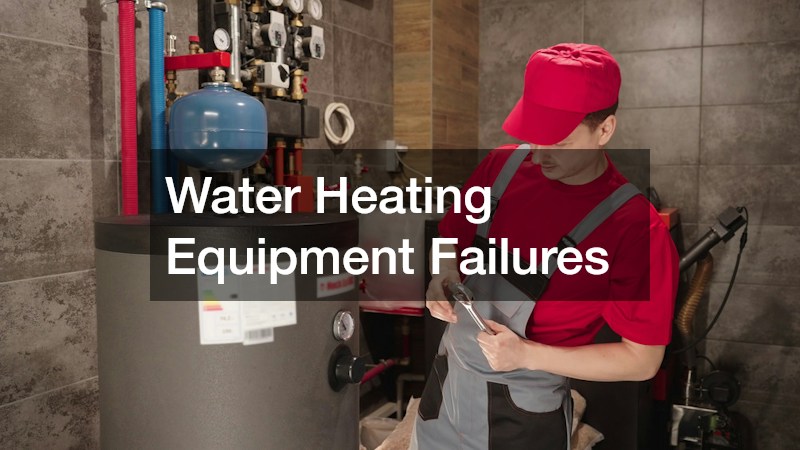
Water Heating Equipment Failures
Preventing Catastrophic Tank Leaks and Loss of Hot Water
Water heaters are under constant pressure and exposed to mineral-rich water, making them susceptible to sediment accumulation, corrosion, and valve failure. Indications of an impending failure include rusty water, strange knocking sounds from the tank, slow heating recovery, or moisture near the base. Seeking timely water heater service allows certified technicians to replace failing sacrificial anodes, flush sediment, or repair heating elements, extending system lifespan and preventing catastrophic tank bursts that cause severe basement flooding.
Extending the Lifespan of Water Heating Systems
Routine water heater maintenance is crucial for preventing unexpected failures and ensuring an uninterrupted hot water supply. Over time, mineral deposits accumulate at the bottom of standard tank units, creating an insulating layer that reduces heating efficiency and causes overheating along the bottom surface. Technicians can flush the tank, check temperature and pressure relief valves, and evaluate heating elements or gas burners to preserve operational safety and lower utility expense.
Addressing Sudden Temperature Fluctions and Mechanical Failures
When a water heater fluctuates unpredictably between scalding hot and freezing cold water, internal components such as thermostats, heating elements, or dip tubes may be deteriorating. Addressing these operational glitches immediately prevents complete system failure and eliminates burn hazards for household members. Prompt diagnostic checks by a qualified professional can quickly identify whether a simple component replacement or a total system upgrade is necessary.
Structural and Foundation Integrity Hazards
Catching Foundation Settling and Wall Fractures Early
Changes in soil moisture, poor drainage, and natural settling can compromise a home’s foundation over time. Major foundation issues often manifest as diagonal cracks in interior drywall, sticking doors and windows, or visible gaps between walls and floors. Left unaddressed, foundation movement can cause severe structural shifting, cracking in load-bearing framing, and damage to connected plumbing lines. Engaging a structural engineer at the first sign of foundation movement helps determine whether underpinning, mudjacking, or drainage improvements are required.
Addressing Roof Leaks and Exterior Envelope Breaches
The roof serves as the primary barrier against natural weather elements, but damaged shingles, degraded flashing, or clogged gutters can allow water to penetrate the building envelope. Even minor roof leaks can lead to decayed ceiling drywall, rotting roof rafters, ruined insulation, and widespread fungal growth. Inspecting the roof after major storms and immediately replacing missing shingles or repairing damaged valley flashing prevents costly structural repairs and preserves interior living spaces.
Fixing Exterior Grading and Water Drainage Problems
Improper soil grading around the perimeter of a house allows rainwater to pool directly against foundation walls instead of draining safely away from the structure. Hydrostatic pressure from saturated soil can force water through porous concrete or masonry joints, flooding basements and crawl spaces. Correcting landscape contours, extending downspouts away from the home, and installing perimeter drainage systems like French drains effectively divert surface water away, protecting structural integrity.
Hazardous Electrical Systems and Wiring Faults
Recognizing Signs of Overloaded and Aging Circuits
Outdated electrical panels and aging wiring systems pose serious fire hazards and risk damaging expensive modern electronic devices. Key indicators of electrical distress include flickering lights, frequently tripping circuit breakers, warm switch plates, or faint burning smells near outlets. Upgrading older electrical infrastructure to modern amperage capacities ensures that heavy-duty household appliances operate safely without risking electrical fires or catastrophic power loss.
Eliminating Dangerous Grounding and Outlet Issues
Ungrounded two-prong outlets and missing ground fault circuit interrupters in kitchens, bathrooms, and outdoor locations increase the risk of electrical shocks and short circuits. Upgrading to modern safety outlets prevents accidental shocks, particularly near water sources. Replacing degraded outlets, addressing loose electrical connections inside junction boxes, and ensuring proper grounding throughout the residence protects inhabitants from electrical safety hazards.
Managing Rodent and Pest Electrical Wire Damage
Pest infestations inside walls or attics pose more than just sanitation issues; rodents frequently gnaw on electrical wiring insulation, exposing live copper conductors. Exposed wiring inside concealed wall cavities creates severe short-circuit risks that can ignite surrounding wood framing or insulation unnoticed. Scheduling professional pest control and inspecting electrical wiring in affected areas removes pest threats and restores safe electrical infrastructure.
Interior Climate Control and Insulation Failures
Sealing Drafts and Eliminating Air Infiltration
Inadequate insulation and unsealed air leaks around windows, exterior doors, attics, and rim joists allow conditioned air to escape while letting uncomfortable drafty air inside. This imbalance forces heating and cooling systems to run continuously, increasing energy costs and causing premature mechanical wear. Adding blown-in insulation to attics and applying weatherstripping around structural openings stabilizes indoor temperatures and enhances overall energy efficiency.
Managing High Indoor Humidity and Condensation
Excessive indoor humidity creates an uncomfortable living environment and accelerates material degradation across furniture, drywall, and structural framing. Persistent condensation on windows, damp basements, or musty odors suggest inadequate air exchange or hidden moisture intrusion. Installing whole-home dehumidifiers, upgrading mechanical ventilation in bathrooms and kitchens, and ensuring proper crawl space vapor barriers maintain balanced indoor humidity levels.
Upgrading Obsolete Thermostats for Better Temperature Control
Outdated manual thermostats often deliver inaccurate temperature readings, causing heating and cooling systems to cycle inefficiently. Modern programmable or smart thermostats offer precise temperature management, allowing homeowners to customize heating and cooling schedules based on daily occupancy patterns. Replacing older units improves overall system responsiveness, reduces energy consumption, and provides better insight into household energy usage.
Property Safety and Preventive Maintenance Strategies
Maintaining Early Warning Fire and Gas Detection Systems
Functional smoke alarms and carbon monoxide detectors provide critical early warnings that save lives during emergencies. Carbon monoxide is an odorless, colorless gas generated by malfunctioning fuel-burning appliances that can quickly reach dangerous levels unnoticed. Testing detection units monthly, replacing batteries annually, and swapping out entire sensor units every five to seven years guarantees reliable warning coverage against hazardous gases and residential fires.
Implementing Routine Home Inspection Routines
Establishing a consistent seasonal inspection routine helps homeowners catch minor maintenance issues before they turn into major structural emergencies. Inspecting foundation walls, roof surfaces, attic insulation, plumbing connections, and HVAC components twice a year ensures early fault detection. Maintaining detailed records of past service calls, repairs, and system ages allows for proactive component replacements rather than high-stress emergency repairs.
Creating an Emergency Home Repair Fund
Even with rigorous preventive maintenance, sudden home repair needs will inevitably arise due to age, weather events, or unexpected mechanical failures. Maintaining a dedicated emergency savings account specifically for property maintenance minimizes financial stress when urgent repairs occur. Being financially prepared allows homeowners to hire qualified service professionals quickly, mitigating secondary damage and protecting their primary real estate asset.
Addressing critical home repairs promptly is fundamental to preserving safety, protecting property value, and avoiding catastrophic repair costs. By recognizing early warning signs across plumbing, electrical, HVAC, and structural components, homeowners can take decisive action before minor faults compromise living conditions. Partnering with qualified service experts and staying proactive with routine maintenance ensures a comfortable, efficient, and secure home environment for years to come. Staying vigilant allows you to resolve minor operational flaws before they turn into complex residential nightmares. Investing time and resources into proper property upkeep ultimately provides peace of mind for every resident in the household.
