Natural gas, while integral to the energy industry, is invisible and naturally odorless, posing a potential hazard if leaks occur unnoticed. Natural gas odorants are chemicals added to impart a distinct smell, typically resembling rotten eggs, to assist in leak detection. This olfactory alert system plays a critical role in maintaining safety and ensuring swift, effective responses to potential gas leaks.
Odorization is mandated by law in many regions, underscoring its significance in compliance and industry standards. Despite their non-toxic nature, odorants must be carefully managed to prevent any adverse impact on the natural gas’s transportation or combustion properties.
What is the Purpose of Gas Odorants?
The primary purpose of gas odorants is to provide a simple, reliable method for detecting natural gas leaks. By adding a distinctive smell, usually that of sulfur or rotten eggs, the odorants trigger an immediate sensory alert to the presence of gas. This preventive measure reduces the risk of gas-related incidents by enabling timely detection and intervention. The odorization of natural gas is not only a safety strategy but also a regulatory requirement in many jurisdictions, ensuring public safety and environmental protection. Thus, gas odorants serve as an invisible but vital line of defense in the energy infrastructure.
Besides ensuring safety, gas odorants help improve the operational efficiency of gas utilities. Quick detection of leaks minimizes gas wastage, providing both economic and environmental benefits. Gas companies rely on odorants to maintain trust with consumers, demonstrating a commitment to safety and reliability. The familiarity of the odor also reassures the public that effective safety measures are in place. As part of an integrated safety protocol, odorants are supported by ongoing monitoring and maintenance systems to address any leaks or potential hazards swiftly.
Moreover, natural gas odorants play a crucial role in emergency response protocols. First responders and utility workers depend on the distinct smell to locate and control gas leaks during emergency situations. In conjunction with sensors and automated systems, odorants enable a rapid and coordinated response to emergencies, minimizing potential harm to people and property. The pervasive smell, detectable even in small concentrations, is a valuable asset in crisis management. Therefore, the effectiveness of gas odorants is a key component in the broader framework of public and occupational safety in the energy sector.
How Are Gas Odorants Added to Natural Gas?
The process of adding odorants to natural gas is known as odorization, which typically occurs at various points in the gas delivery infrastructure. During processing, a specific amount of odorant is injected into the gas stream, ensuring consistent concentration levels that are detectable by humans. These are primarily composed of sulfur-containing compounds such as mercaptans and sulfides, which are effective even at low concentrations. Odorant injection units, either continuously or batch-dosed, maintain precise control over the amount added, guaranteeing the odor remains consistently noticeable. This exactness is crucial for ensuring that the odor continues to alert people effectively to gas leaks.
Standard industry practices involve the use of pipelines designed with injection points for the safe addition of odorants. Continuous monitoring systems are also in place to ensure the right amount of odorant is released consistent with the volume of natural gas. With advanced automation, the process can adapt to fluctuations in gas flow, maintaining steady odorant levels. On-site technicians frequently test gas samples to confirm the odorant concentration meets safety standards. This robust system protects against human error and equipment failures, providing reliable leak detection for consumers and industry workers alike.
Ensuring optimal distribution of odorants within the gas supply chain involves meticulous planning and sophisticated technologies. While odorization is concentrated at processing facilities, additional checks occur at distribution centers to rectify any fall-offs in concentration. Innovations in odorant technology, such as longer-lasting compounds or environmentally friendly alternatives, are continually being explored. The critical balance between robust safety measures and operational efficiency drives ongoing improvements in the odorant application processes. Through these measures, natural gas companies continue to prioritize safety without compromising on service delivery and reliability.
Are There Different Types of Odorants?
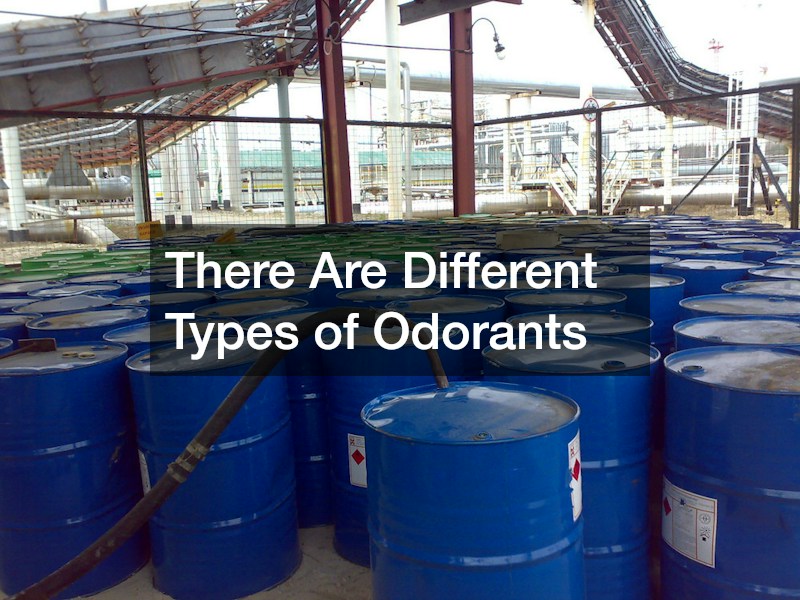
Several types of odorants are used in natural gas, each with unique properties that make them suitable for different applications. The most common are mercaptans, especially methyl mercaptan, due to their distinctive odor and effective detection at low concentrations. Thiophanes and sulfides are also used but depend on regional preferences or specific technical requirements. Each type of odorant is chosen based on factors like its compatibility with the gas and the conditions under which it will be transported and stored. As technology and safety standards evolve, the blend of odorants may be adjusted to enhance detection abilities or reduce environmental impact.
Moreover, the choice between various odorants often involves consideration of their chemical stability and impact on gas processing equipment. While mercaptans are widely favored, they can occasionally cause corrosion under certain conditions. Sulfur dioxide has been explored as a non-corrosive alternative, though it presents other technical challenges. The selection process also considers the potency and noticeability of the additive, ensuring that even small leaks can be detected promptly. This careful decision-making reflects a commitment to optimizing both safety and operational efficiency in gas delivery.
Advances in the chemical industry continue to drive innovation in odorants, focusing on enhanced durability and reduced toxicity. These developments aim to provide enhanced safeguarding without introducing new risks to the ecosystem or infrastructure. Environmentally friendly boosters like biodegradable odorants are being developed, offering an exciting potential to reduce the carbon footprint of gas processing. As demand for cleaner energy solutions grows, the industry may shift towards such alternatives while maintaining the essential functionality of immediate leak detection. This progress underscores the evolving intersection of environmental concerns and industrial innovation.
What Are the Challenges Associated with Gas Odorants?
While gas odorants are essential for safety, they present practical challenges when integrating them into gas delivery systems. One major concern is the proper maintenance of odorant systems to ensure consistent supply and detection levels. Leaks due to equipment failure or human error can decrease odorant levels, impeding detection efficiency and increasing risk. Additionally, the corrosive nature of some odorants can damage infrastructure, prompting necessary repairs or replacements. Balancing the effective use of harsh chemicals with the longevity of gas delivery networks presents an ongoing challenge for utilities.
Environmental concerns also place pressure on managing the use of odorants. Spills or inadvertent release of odorants pose potential risks to local ecosystems, necessitating stringent controls and emergency measures. Industry regulations mandate careful handling and spill contingency planning to mitigate these environmental impacts. These standards not only protect natural habitats but also ensure gas companies preserve public trust through responsible operation. Maintaining this balance requires constant vigilance, innovation, and adaptation in operational practices and technologies.
Furthermore, odorant detection can be influenced by external factors, such as weather conditions or competing scents, which may affect a person’s ability to perceive a gas leak. This variability poses challenges in guaranteeing public safety, highlighting the need for supplementary detection systems. Technological solutions, including digital sensors and monitoring systems, offer valuable assistance, but also add complexity and cost to gas distribution. By addressing these multidimensional challenges, the industry aims to uphold the highest safety standards while managing the inherent difficulties of utilizing chemical odorants effectively.
How Are Gas Odorants Tested?
The testing of gas odorants is critical to verify their effectiveness and ensure public safety. Routine assessment involves qualitative and quantitative analyses, determining both the presence and concentration levels of the odorant within the gas stream. This is achieved through consistency checks and sensory evaluations often conducted by trained professionals. In some cases, chemical analysis equipment is used to measure precise odorant levels, comparing them to regulatory benchmarks. These tests help to affirm that odorization remains sufficient to alert consumers to any potential leaks promptly.
Periodic testing also involves real-world simulations and controlled releases to examine the responsiveness of human olfactory senses under various conditions. Through simulated leak scenarios, gas companies gain insights into detection efficacy and calibration needs. These exercises often inform updates in odorization techniques and the adoption of new technologies that enhance the precision of odor levels. Repeated trials enable the validation of system readiness and the assurance that there are no undetected leaks in the network. By prioritizing comprehensive testing, the industry maintains vigilance in its duty to protect public safety.
Testing procedures are supported by collaborative efforts among regulatory bodies, industry groups, and scientists to stay at the forefront of safety standards. These partnerships foster the development of best practices and innovative solutions to enhance odorant application and monitoring. By continuously refining methodologies and incorporating new research findings, the industry ensures that it meets both current needs and future safety challenges. Testing remains an integral component in the broader landscape of natural gas management, representing a commitment to operational excellence and safety assurance.
In conclusion, natural gas odorants are an essential feature of the energy industry, enhancing the safety and reliability of gas supply systems through immediate leak detection capabilities. The introduction of sulfur-like smells into otherwise odorless gas not only satisfies regulatory requirements but also fortifies public safety measures. While various odorants and their applications present challenges, the industry continues to innovate, focusing on sustainable and effective solutions. By integrating careful testing, strategic planning, and cutting-edge technology, gas companies commit to values that prioritize customer trust and community safety. Therefore, the importance of natural gas odorants is indisputable, forming a cornerstone of energy safety infrastructure.