
Access to healthcare plays a vital role in helping families build healthy, stable, and fulfilling lives. For immigrant families, navigating a new healthcare system can involve unique challenges, including understanding available services, finding reliable providers, and learning how to access resources that support physical and emotional well-being. Healthcare is more than receiving treatment when an illness occurs; it also includes preventive services, recovery support, ongoing care, and resources that help individuals maintain their quality of life.
Many immigrant families balance multiple responsibilities while adapting to a new environment. Language differences, unfamiliar processes, financial concerns, and limited knowledge of available programs can create barriers that make seeking care more difficult. However, having access to appropriate medical and support services can help individuals address health concerns earlier, recover from injuries more effectively, and receive assistance during different stages of life.
A strong healthcare system includes many types of professionals and services working together to meet diverse needs. From routine medical care and rehabilitation to legal guidance and family support, these resources can help immigrant communities receive the assistance they need. Understanding the different options available can empower families to make informed decisions about their health and the well-being of their loved ones.
Understanding the Role of Medical Supplies in Patient Care
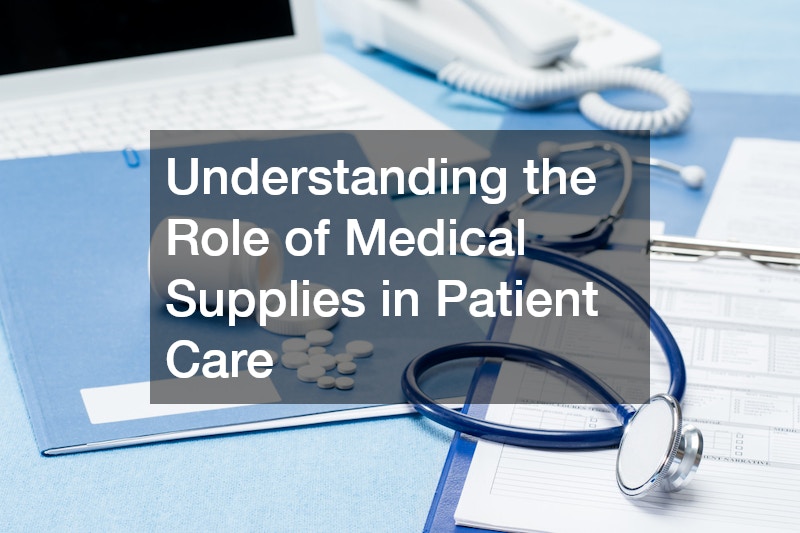
Medical treatment often relies on a variety of supplies and tools that help healthcare providers deliver safe and effective care. These supplies support everything from routine procedures to ongoing treatment plans for patients managing injuries, illnesses, or chronic conditions. For immigrant families accessing healthcare services, understanding the purpose of commonly used medical products can make healthcare experiences feel more familiar and manageable.
One important example is medical adhesive, which is used in many healthcare settings to secure dressings, medical devices, and other treatment materials. Healthcare professionals may use adhesive products when caring for wounds, supporting monitoring devices, or helping keep medical equipment properly positioned during treatment. These products are designed to provide reliable support while considering patient comfort and skin sensitivity.
For individuals receiving care at home, in clinics, or during recovery programs, quality medical supplies can contribute to better treatment experiences. Patients recovering from procedures or managing health conditions may encounter different types of supplies as part of their care plans. Understanding how these products are used can help patients and caregivers feel more confident when following healthcare instructions.
Exploring Supportive Treatments for Overall Wellness
Wellness involves caring for the body through healthy habits, preventive measures, and appropriate treatments that support individual health goals. Many people seek additional services that complement traditional healthcare by helping them focus on hydration, nutrition, energy levels, and overall wellness. Understanding available options allows individuals to make informed choices based on their personal needs and guidance from qualified healthcare professionals.
Some wellness services focus on helping individuals maintain balanced nutrition and hydration. IV vitamin therapy is one example of a treatment that some people explore as part of their wellness routines. These services typically involve delivering fluids and nutrients through an intravenous method under professional supervision. While wellness treatments may be appealing to some individuals, it is important for patients to discuss their health goals with qualified providers to determine what options are appropriate.
For immigrant families adjusting to a new healthcare system, learning about different types of services can help them better understand their choices. Wellness support may be part of a larger approach to maintaining health, especially when combined with preventive care, healthy lifestyle habits, and regular medical checkups.
Finding Legal Guidance During the Immigration Process
Healthcare access can sometimes be connected to a person’s ability to navigate complex systems and understand their rights. For immigrant families, legal challenges related to immigration status may create additional stress and uncertainty. Having access to reliable information and professional guidance can help individuals better understand their options while working toward stability and security.
Immigration matters can involve complicated paperwork, deadlines, and legal requirements. Families seeking protection or navigating immigration pathways may benefit from consulting asylum lawyers who understand the legal processes involved in seeking asylum. These professionals can provide guidance about documentation, applications, and legal procedures that may affect an individual’s immigration journey.
Reducing uncertainty around immigration concerns can also support overall well-being. Stress related to legal matters can affect families emotionally and make it more difficult to focus on personal health needs. When individuals have appropriate legal support, they may feel better prepared to address other important areas of life, including healthcare decisions.
Protecting Immigrant Families After Accidents and Injuries
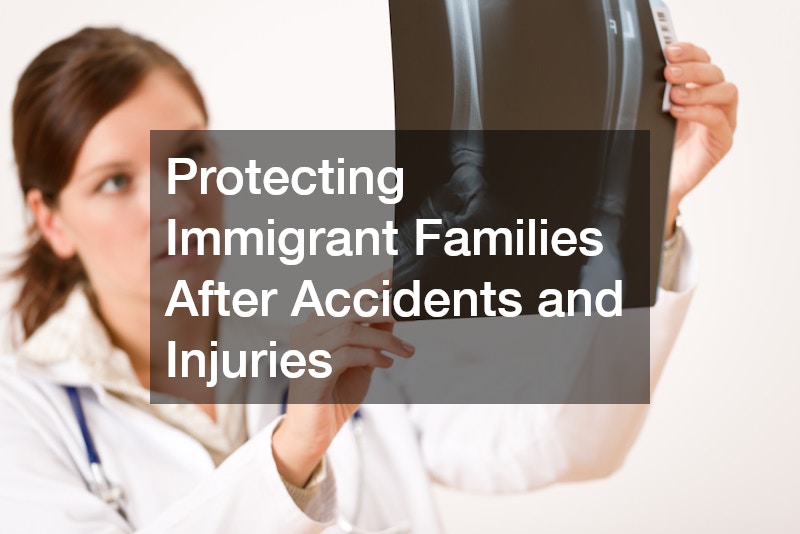
Accidents and injuries can create sudden challenges for individuals and families. Whether an injury occurs at work, while traveling, or during everyday activities, receiving timely medical attention and understanding available support options can make a significant difference in recovery. Immigrant families may face additional concerns when dealing with injuries, especially if they are unfamiliar with local systems or unsure about available resources.
After an accident, medical care is often the first priority. Depending on the severity of an injury, individuals may need emergency treatment, follow-up appointments, rehabilitation, or ongoing support. Understanding how to access appropriate care can help patients begin recovery while addressing their physical needs.
Legal resources may also become important when an injury involves another party’s actions or negligence. A personal injury law firm can help individuals understand their options when seeking compensation or guidance after certain types of accidents. Having access to legal information can help families make informed decisions while focusing on recovery.
Maintaining Healthy Habits Through Lifestyle Changes
Maintaining good health often requires consistent attention to daily habits, nutrition choices, and personal wellness goals. For immigrant families adjusting to a new environment, developing healthy routines can be an important part of adapting to a different lifestyle while protecting long-term health. Access to reliable information, supportive professionals, and wellness resources can help individuals make choices that align with their personal needs.
One area many individuals focus on is maintaining a healthy weight. Weight loss efforts can involve a combination of balanced nutrition, physical activity, lifestyle adjustments, and guidance from healthcare professionals. Sustainable health improvements typically come from making realistic changes that support overall wellness rather than relying on short-term solutions.
Immigrant families may face unique challenges when working toward health goals, including differences in food availability, cultural dietary practices, work schedules, and access to healthcare resources. Understanding how to incorporate healthy habits while respecting personal and cultural preferences can make wellness goals more achievable.
Healthcare access allows individuals to seek professional advice when making changes to their lifestyle. Nutrition guidance, regular health screenings, and personalized recommendations can help families better understand their health needs. By focusing on prevention and healthy routines, immigrant communities can support better outcomes for individuals of all ages.
Supporting Aging Loved Ones With Compassionate Care
As families grow and change, caring for older relatives becomes an important part of maintaining family well-being. Many immigrant families place a strong value on supporting aging parents, grandparents, and other loved ones. However, balancing caregiving responsibilities with work, family obligations, and personal needs can sometimes be challenging.
Access to appropriate senior care services can provide older adults with the assistance they need while allowing families to maintain a healthy balance. These services may include help with daily activities, companionship, mobility support, medication reminders, and other forms of assistance designed to improve quality of life.
For immigrant families, finding care options that respect cultural backgrounds, communication preferences, and personal values can be especially important. Families may want caregivers who understand their traditions, routines, and unique needs. Exploring available care resources can help families make decisions that support both independence and safety for older adults.
Healthcare access for seniors also involves regular medical appointments, preventive care, and support for managing chronic conditions. Coordinating these needs can help identify health concerns earlier and provide opportunities for better management of ongoing conditions.
Supporting older family members is not only about meeting physical needs; it also involves emotional connection and preserving dignity. With the right resources, families can provide compassionate support that helps older adults remain comfortable, engaged, and cared for.
Accessing Professional Medical Support at Home
Receiving healthcare does not always require frequent visits to a medical facility. For individuals managing health conditions, recovering from procedures, or needing ongoing assistance, care provided in the home can offer comfort and convenience. This type of support can be especially valuable for families who need flexible healthcare options that fit their daily routines.
A home health care service can provide professional assistance for individuals who need medical support while remaining in a familiar environment. Depending on a person’s needs, services may include skilled nursing care, assistance with recovery plans, monitoring health conditions, and support following medical procedures.
For immigrant families, home-based healthcare options can make it easier to coordinate care for loved ones who may have mobility challenges or require additional assistance. Receiving care at home can also reduce some of the challenges associated with transportation, scheduling, and navigating unfamiliar healthcare settings.
Choosing the right healthcare support involves considering the individual’s needs, preferences, and long-term goals. Families can work with qualified providers to understand what types of assistance are available and how those services may support better health outcomes.
Healthcare access should include options that meet people where they are. By expanding care beyond traditional medical settings, home-based services can help individuals receive important support while maintaining comfort and independence.
How In-Home Assistance Can Improve Daily Living
For many individuals, maintaining independence while receiving necessary support is an important part of overall well-being. In-home assistance allows people to receive help with everyday tasks while continuing to live in a familiar setting. This approach can be beneficial for older adults, individuals recovering from health challenges, and families managing ongoing care responsibilities.
Home care services often focus on helping individuals with daily activities such as meal preparation, transportation, personal assistance, household tasks, and companionship. These services can help improve safety and comfort while allowing individuals to maintain a greater sense of independence.
Immigrant families may especially benefit from understanding available in-home care options. Some families provide care for multiple generations within one household, which can create additional responsibilities. Professional support can help reduce caregiver stress while ensuring loved ones receive consistent assistance.
In-home services can also provide emotional benefits by helping individuals remain connected to their communities and daily routines. Familiar surroundings can contribute to comfort and stability, especially for older adults or those managing long-term health concerns.
Recovering and Regaining Mobility After Health Challenges
Recovery after an injury, illness, or medical procedure often requires patience, support, and specialized care. Many individuals experience challenges related to movement, strength, balance, or flexibility after a health event. Access to rehabilitation services can help patients work toward improved mobility and greater independence.
Physical therapy is a common approach used to help individuals recover movement and function. Healthcare professionals may create personalized treatment plans that include exercises, mobility techniques, and strategies designed to address specific recovery goals.
For immigrant families, understanding rehabilitation options can make it easier to support loved ones during the recovery process. Whether someone is recovering from an accident, surgery, or a medical condition, professional guidance can provide structure and encouragement throughout the healing journey.
Recovery is often a gradual process that requires consistent effort and support from both healthcare providers and family members. Having access to appropriate rehabilitation services can help individuals regain confidence as they return to daily activities.
Healthcare access includes more than treating immediate concerns. It also involves providing the resources needed for long-term recovery and improved quality of life. Rehabilitation services can help individuals overcome challenges and continue participating in the activities that matter most to them.
Managing Pain and Promoting Better Physical Health
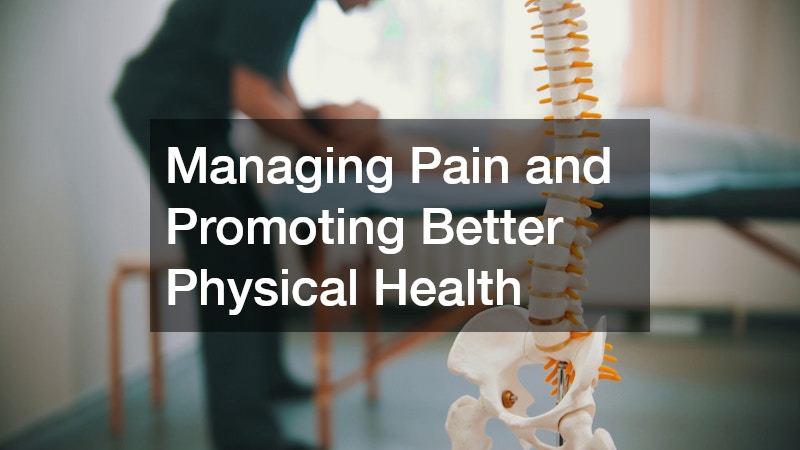
Pain management is an important part of maintaining overall health and quality of life. Many individuals experience discomfort related to injuries, physical strain, chronic conditions, or changes that occur over time. Finding appropriate strategies to address pain can help people remain active and continue participating in daily activities.
A chiropractor may provide care focused on supporting musculoskeletal health, including concerns involving the back, neck, joints, and overall body alignment. Some individuals seek chiropractic services as part of a broader approach to managing discomfort and improving physical function.
For immigrant families, understanding different healthcare options can help individuals explore services that may support their personal needs. Like any healthcare decision, choosing a provider should involve considering qualifications, individual health concerns, and recommendations from appropriate professionals.
Healthcare access is an essential part of building healthier and more stable communities. For immigrant families, understanding available resources can make it easier to navigate medical needs, support loved ones, and make informed decisions about personal well-being. A strong healthcare foundation includes access to treatment, preventive services, recovery support, and resources that address the many factors affecting health.
Immigrant families may face additional challenges when seeking healthcare, but learning about available options can help reduce uncertainty and improve access to important services. Legal resources can provide support during immigration-related challenges, while healthcare professionals can assist with medical concerns, recovery, and ongoing care.
By understanding the different types of support available, families can take proactive steps toward protecting their health and the health of their loved ones. Healthcare access is ultimately about creating opportunities for individuals and families to live healthier, safer, and more secure lives. When communities have access to the resources they need, everyone benefits from improved well-being and stronger connections.
